If you are thinking about living in Mukilteo, you are probably wondering what day-to-day life actually feels like, not just what shows up on a map. That is a smart question, especially if you want a place that balances water views, practical commuting options, and a quieter suburban pace. Mukilteo offers a lifestyle shaped by the shoreline, local parks, and a housing market that feels established rather than fast-growing. Let’s take a closer look at what everyday life in Mukilteo can really look like.
A Coastal City With A Calm Pace
Mukilteo sits on the waterfront in southern Snohomish County, about 25 miles north of Seattle. The city has about 21,299 residents, which gives it a smaller, more residential feel than many larger nearby cities. You get a coastal setting with scenic views of the Olympic Mountains and the North Cascades, but you are still connected to the broader Seattle-Bellevue-Everett region.
That mix is a big part of Mukilteo’s appeal. It tends to feel more like a compact coastal suburb than a dense urban center. If you want a place where the water is part of daily life, but you still need access to work, errands, and regional travel, Mukilteo stands out.
The community also reflects a mix of backgrounds and experiences. Census data shows that 24.1% of residents age 5 and older speak a language other than English at home, and 21.5% of residents are foreign-born. For many buyers, that adds to the sense that Mukilteo is not one-dimensional, even though it keeps a smaller-city feel.
Weekends Often Center On The Waterfront
One of the clearest anchors of life in Mukilteo is Lighthouse Park. The park is home to the 1906 Mukilteo Light Station, one of the few wooden lighthouses in the Pacific Northwest. The site includes the operational lighthouse, a gift shop, and park grounds that make the waterfront feel active and accessible.
For everyday recreation, Lighthouse Park offers an accessible beach, picnic areas, a boat launch, fire pits, and a digital walking tour. That means your free time can be as simple as a quick beach stop, a picnic with friends, or a walk by the water after work. In a city like Mukilteo, those small routines can shape your week as much as the bigger outings.
Parks And Trails Add Variety
If you like to spend time outdoors, Mukilteo gives you more than waterfront views. The city publishes trail maps for Japanese Gulch and Big Gulch, and Japanese Gulch stewards meet monthly to help maintain the trails. That points to a local culture that values outdoor access and stewardship.
These trail areas add another layer to everyday life. You are not limited to one central park or one type of activity. Depending on the day, you might head toward the beach, choose a wooded trail, or make time for both.
Community Spaces Matter Too
Rosehill Community Center adds an indoor option that supports daily life year-round. It includes water-view event space and a fitness center overlooking Puget Sound. For residents, that means the city experience is not only about the outdoors.
When the weather turns or you want a structured activity, spaces like Rosehill help round out the lifestyle. Mukilteo’s annual precipitation is about 35 inches, and the city notes that May through October usually brings the most moderate weather. That seasonal rhythm can shape how you plan your weekends and free time.
Getting Around Is Both Easy And Busy
Mukilteo is unusually well connected for a smaller waterfront city. The city says it has a state highway, a Washington State Ferries terminal, and a Sound Transit commuter rail station within city limits. That combination gives you multiple ways to move around, whether you commute daily or simply want options.
At the same time, convenience does not always mean calm traffic. Mukilteo officials note that the Mukilteo-Clinton ferry and the Boeing plant in Everett are the two biggest traffic generators on SR 525. In practical terms, that means your location can feel very connected, but traffic patterns may still affect your day.
Ferry Access Shapes Daily Life
The Mukilteo-Clinton ferry is more than a scenic feature. It is one of the busiest routes in the Washington State Ferries system and carried 3.7 million riders in 2025. For some residents, that makes ferry access part of regular logistics, not just a weekend novelty.
WSDOT also notes that low-tide conditions can affect the Mukilteo-Clinton route. If ferry travel is part of your routine, that is worth keeping in mind. Living near the water can be beautiful, but in Mukilteo, the shoreline also plays a real role in transportation.
Commuter Rail Is A Real Option
Mukilteo Station is located at 920 First St and includes 63 parking spaces along with bike parking and lockers. On the current March 27 to August 28, 2026 schedule, Sounder N Line trains connect Everett, Mukilteo, Edmonds, and Seattle King Street on weekdays. For commuters, that gives Mukilteo a practical rail option that many smaller cities do not have.
This matters if you want a quieter home base without giving up regional access. The city’s average travel time to work is 25.8 minutes, according to Census data. Your personal commute will depend on your destination and schedule, but Mukilteo’s transportation mix gives you more flexibility than you might expect.
The Waterfront Feels Like Part Of Town Life
Mukilteo’s waterfront planning documents describe a pedestrian-oriented waterfront with local businesses, restaurants, a looped promenade, and bike lanes. That suggests a town layout where being near the water is not just about views from a distance. Instead, the waterfront is designed to support movement, gathering, and everyday use.
While no planning document can promise the same experience on every block, it is reasonable to picture a lifestyle that includes walking by the shoreline and stopping at nearby businesses along Front Street. For many buyers, that kind of routine matters as much as square footage. It helps define whether a place feels livable day to day.
Housing Feels Established, Not Wide Open
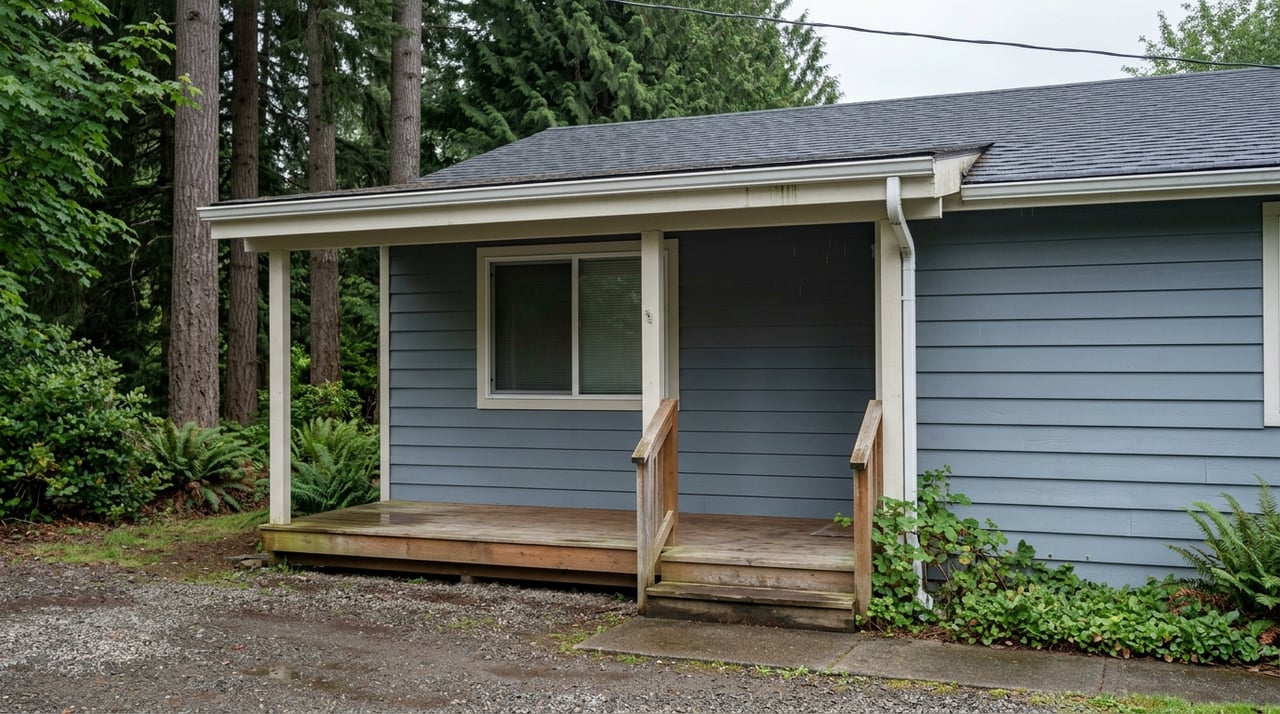
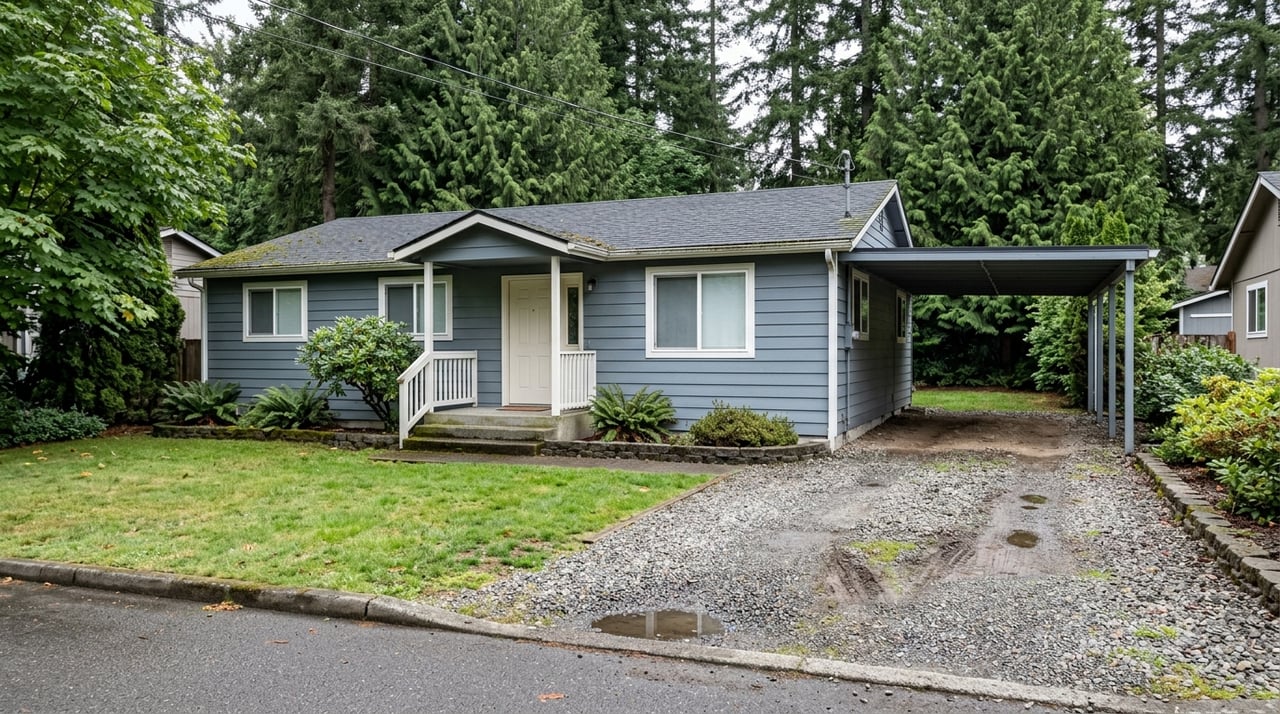
If you are thinking about moving to Mukilteo, it helps to understand the city’s housing pattern. Mukilteo is still mostly residential and mostly built out. The city’s draft comprehensive plan says 66.5% of the city is zoned residential, 87% of residential areas are dedicated to single-family development, and less than 3% of city land is vacant and undeveloped.
That tells you a lot about the feel of the market. Mukilteo is not a place with large amounts of open land waiting for entirely new neighborhoods. It is more of an established residential city where change is likely to happen through infill and a gradual increase in housing variety.
A Mostly Single-Family Base
For many buyers, Mukilteo’s strong single-family base is part of the appeal. It supports a more traditional suburban housing pattern, even though the city is working to expand the variety of housing options and affordability levels. The city’s 2021 Housing Action Plan also says Mukilteo needs a greater variety of housing types.
That means the market is balancing two realities at once. It remains rooted in existing single-family neighborhoods, but future planning points toward a broader mix of homes over time. If you are watching long-term housing trends, that is an important detail.
What The Numbers Suggest
Census data shows that 70.9% of housing units in Mukilteo are owner-occupied. The median value of owner-occupied housing is $830,000, median monthly owner costs with a mortgage are $2,924, and median gross rent is $2,127. The average household size is 2.56 people.
Taken together, those numbers point to an established suburban waterfront market with a strong ownership base. If you are comparing Mukilteo to faster-growth areas with more vacant land, the difference is clear. Here, housing often feels shaped by scarcity, existing neighborhoods, and long-term demand rather than major outward expansion.
What Everyday Life In Mukilteo Really Feels Like
The simplest way to describe Mukilteo is this: the water is part of both the scenery and the routine. You may enjoy beach access, trails, views, and waterfront walks, but you may also think about ferry schedules, train timing, and traffic near SR 525. That blend gives the city a very specific personality.
For some people, that is exactly the draw. Mukilteo can offer a quieter, more residential setting while still keeping you connected to Everett, Seattle, and Whidbey Island routes. It feels compact, established, and shaped by its shoreline in ways that go beyond appearance.
If you are trying to decide whether Mukilteo matches your lifestyle, the answer often comes down to what you want most. If you value outdoor access, a waterfront setting, and a residential market with strong roots, Mukilteo may be worth a closer look. If you want help understanding how Mukilteo fits into your home search or sale in Snohomish County, Lizbeth Loreto can guide you with clear advice and local insight.
FAQs
What is daily life like in Mukilteo, WA?
- Daily life in Mukilteo often revolves around a residential coastal setting, waterfront access, local parks and trails, and practical regional connections through the ferry, highway, and commuter rail.
What outdoor activities are common in Mukilteo?
- Common outdoor activities in Mukilteo include visiting Lighthouse Park, spending time at the beach, using picnic and fire pit areas, and exploring trails such as Japanese Gulch and Big Gulch.
How do people commute from Mukilteo?
- People in Mukilteo may commute by car on SR 525, use the Mukilteo-Clinton ferry, or take the Sounder N Line from Mukilteo Station to Everett, Edmonds, and Seattle on weekdays.
Is Mukilteo mostly residential?
- Yes. City planning documents say 66.5% of Mukilteo is zoned residential, and 87% of residential areas are dedicated to single-family development.
What kind of housing market does Mukilteo have?
- Mukilteo has an established housing market with a strong single-family base, limited vacant land, a 70.9% owner-occupied rate, and a median owner-occupied home value of $830,000.
Does Mukilteo have a walkable waterfront area?
- City planning documents describe Mukilteo’s waterfront as pedestrian-oriented, with local businesses, restaurants, a looped promenade, and bike lanes near the waterfront core.