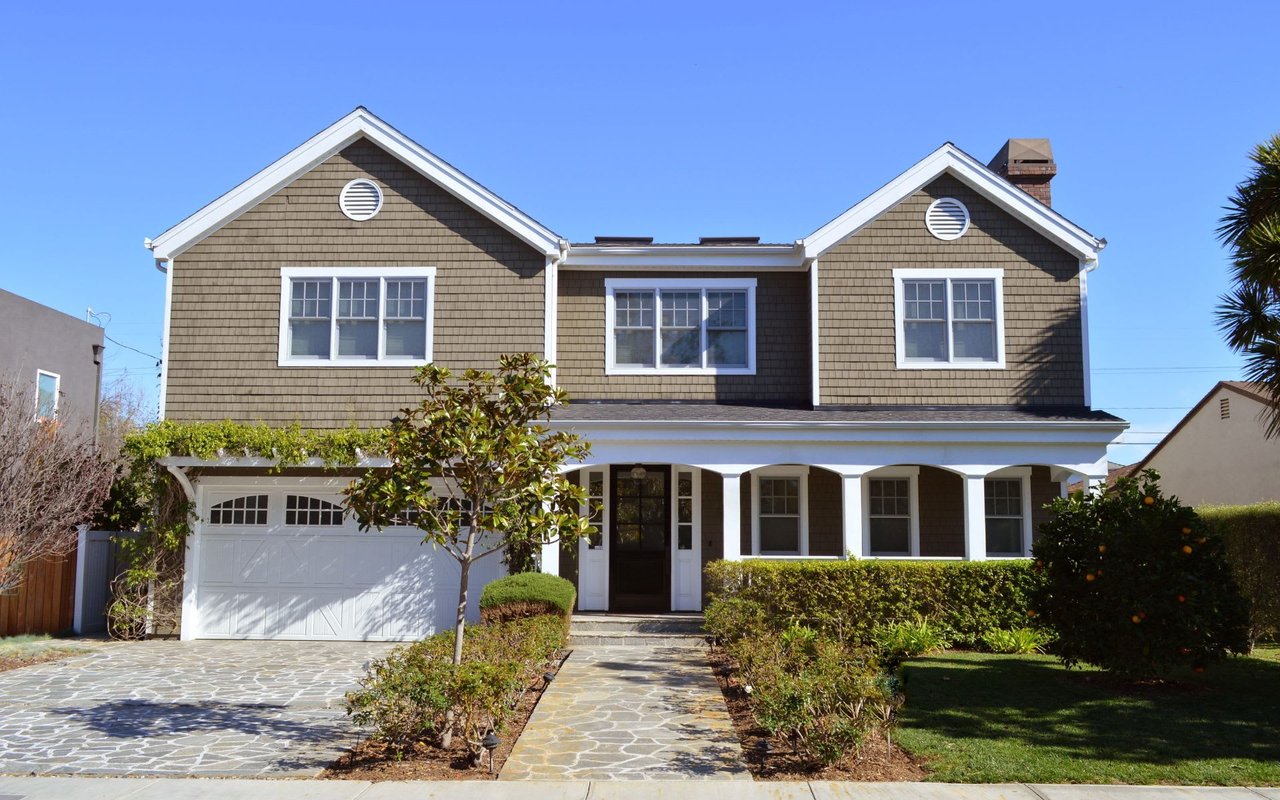
If you have been eyeing Woodinville single-family rentals, one question matters fast: does the deal actually work on paper, or does it only look good because Woodinville is a desirable market? That is where many investors get stuck. You need a clear way to judge price, rent, costs, and long-term upside without overestimating cash flow. Let’s break down how investors typically evaluate Woodinville single-family rentals so you can spot a stronger opportunity and avoid a thin one.
Woodinville market basics
Woodinville is a market where headline numbers need context. Different data sources use different methods, so it is best to treat prices and rents as directional ranges instead of exact one-to-one comparisons.
Recent home values show that gap clearly. Redfin reported Woodinville home prices around $1.248 million over the three months ending in April 2026, while Zillow’s home value index came in higher at about $1.400 million. Redfin also showed homes selling in about 21 days with roughly 3 offers on average, while Zillow said homes were going pending in about 11 days.
On the rental side, Zillow showed average house rents around $3,295, with a range from $1,470 to $5,900 and 31 rentals available. For investors, that current asking-rent data is useful when underwriting a new purchase because it gives you a live look at what the market may support today.
Why Woodinville reads as appreciation-focused
A quick first screen for many investors is gross yield. That is simply annual rent divided by home value, before any expenses.
In Woodinville, that simple screen lands in the low-to-mid 3% range based on current local figures. Using Zillow’s house rent and home value, the result is about 2.8%. Using Zillow’s house rent against the Census owner-occupied home value, it is about 3.6%.
That does not mean cap rates are 2.8% to 3.6%. It means the starting relationship between prices and rents is tight, which is why Woodinville is often viewed more as an appreciation market than a pure cash-flow market.
For many buyers, that distinction is important. A property can still make sense if you value long-term demand, stable housing needs, and future resale potential. But if you are expecting strong monthly cash flow right away, Woodinville may require more conservative assumptions.
The core metrics investors use
When investors evaluate a single-family rental, they usually start with a short list of metrics. The goal is simple: figure out what the property earns, what it costs to operate, and what is left over.
Purchase price
This is your all-in acquisition number before financing structure comes into play. In Woodinville, where prices are high, even small shifts in purchase price can change the outcome of a deal.
Gross rent
Gross rent is the rent you expect to collect before expenses. For a new acquisition, current asking rents are often the better starting point because they reflect what is being marketed now.
For broader context, the Census Bureau estimated Woodinville median gross rent at $2,416 in the 2020 to 2024 period. That number is useful as a benchmark, but it is not the same as current asking rent for a specific single-family house.
Vacancy and collection loss
No investor should assume 100% rent collection forever. Vacancy and collection loss account for the time between tenants and any income that does not come in as planned.
Woodinville’s Housing Action Plan says vacancy rates remain extremely low, which supports the long-term demand story. Even so, careful investors still include vacancy in underwriting because a low-vacancy market does not eliminate turnover risk.
Operating expenses
Operating expenses are the ongoing costs of owning and running the property. These often include:
- Property taxes
- Insurance
- Maintenance
- Repairs
- Property management
- Utilities you may cover
- Replacement or capital reserves
A key point here is that mortgage payments are not operating expenses. Investors use operating expenses to calculate property performance before financing.
Net operating income
Net operating income, or NOI, is your rent minus vacancy and operating expenses. This is one of the clearest ways to judge whether a property is producing enough income to justify its price.
Cap rate
Cap rate is NOI divided by property value or purchase price. It is a quick way to compare income performance across properties.
In a market like Woodinville, cap rate expectations often feel compressed because values are high relative to rent. That does not automatically make a property bad, but it means every line item in your expense estimate matters.
Cash flow
Cash flow is what remains after financing costs are added. This is where some Woodinville deals can become challenging.
The Census Bureau estimates median owner-occupied home value at $1.10 million, median gross rent at $2,416, and median selected monthly owner costs with a mortgage at $3,872. That spread helps explain why financing can quickly turn a property from acceptable on paper to marginal in practice.
The expenses that can change the whole deal
In Woodinville, many investors do not lose a deal on rent. They lose it by underestimating recurring costs.
Property taxes
Property taxes deserve special attention in King County underwriting. King County’s 2026 levy table lists Woodinville’s city levy rate at 0.50789 per $1,000 of assessed value, and the city’s budget guide says the 2024 total property-tax burden across all districts was about $9.03 per $1,000 of assessed value.
On a higher-value home, that becomes a meaningful annual cost. If you skip a realistic tax estimate, your projected return can look much better than the actual one.
Repairs and reserves
Woodinville is not an especially old-housing-stock market, but repair planning still matters. The city’s community profile says detached single-family homes make up 54.7% of the housing stock, and 15% of housing stock was built since 2010. It also notes that 75% of residential buildings are in average condition and 20% are in good condition.
That suggests many homes may not be distressed, but they still need reserves for routine maintenance and future replacements. Investors should also remember that larger homes often bring larger replacement costs.
Larger homes, larger exposure
The Housing Action Plan notes the average home built in 1994 was 2,322 square feet, while the average home built so far in 2022 is nearly 4,000 square feet. That can be a plus for rent potential, but it can also mean higher maintenance and replacement exposure over time.
If you are evaluating a newer or larger Woodinville home, make sure your reserve budget reflects the scale of the property. Bigger homes often mean bigger systems, more surfaces, and more costly turns.
Demand signals investors watch in Woodinville
Even if monthly cash flow looks thin, investors still pay attention to Woodinville because the long-term demand picture is strong.
The Census Bureau estimates Woodinville’s July 2025 population at 14,548, with median household income of $164,398, a 70.4% bachelor’s-degree-or-higher rate, and a 57.3% owner-occupied housing rate. For investors, those figures point to a stable, high-value market where owner-occupant competition can matter.
The city’s Housing Action Plan adds more context. It says Woodinville has more than 6,200 housing units, vacancy remains extremely low, and the city had 14,925 jobs in 2020 with a projected 21,300 jobs by 2040.
The same plan notes that only 2.6% of residents both live and work in Woodinville, and the average commute is 29 minutes. Many residents commute to Seattle, Redmond, Bellevue, Kirkland, and Bothell, which helps explain why Woodinville can remain attractive even for households working outside the city.
How future supply may affect rentals
Investors should also watch how local planning may shape supply over time. Woodinville’s 2024 to 2044 Comprehensive Plan update allows middle housing in single-family zones and creates an Eastrail Mixed-Use zone from underutilized commercial land.
That points to gradual supply diversification, not a sudden flood of detached single-family homes. For single-family rental investors, that matters because new competition may grow over time, but the city’s detached-home inventory is still a major part of the housing stock today.
Washington rent rules matter in underwriting
In Washington, rent growth assumptions should be conservative and compliance-aware. The Washington State Department of Commerce says the maximum annual rent increase for 2026 is 9.683% for properties subject to the Residential Landlord-Tenant Act.
State rules also require at least 90 days’ prior written notice before a rent increase, and rent increases generally are not effective before the end of the lease term. Commerce also says rent cannot be increased during the first 12 months of a tenancy, subject to statutory exemptions.
For investors, the takeaway is simple. A Woodinville rental should work with steady, realistic rent growth assumptions, not with an aggressive plan to reset rent quickly.
A simple Woodinville investor checklist
Before you move forward on a single-family rental in Woodinville, it helps to pressure-test the numbers with a simple checklist.
- Use current asking rents for acquisition underwriting
- Treat price and value estimates as directional ranges
- Include vacancy even in a low-vacancy market
- Budget for property taxes using local King County figures
- Add insurance, repairs, maintenance, management, and reserves
- Separate NOI from mortgage costs
- Test the property with conservative rent growth assumptions
- Ask whether the deal depends on appreciation, cash flow, or both
What this means for your next deal
In plain terms, Woodinville single-family rentals are often judged less by big immediate cash flow and more by overall market strength, limited vacancy, and long-term demand. That does not mean you should accept weak numbers. It means you should underwrite with discipline and understand what is really driving the return.
If you are comparing opportunities in Woodinville, the best next step is to look beyond list price and rent alone. A careful review of taxes, reserves, carrying costs, and realistic rent assumptions can tell you whether a property is merely attractive on the surface or truly a fit for your goals.
If you want help evaluating a Woodinville rental opportunity or comparing it to nearby options in King or Snohomish County, Lizbeth Loreto can help you review the numbers with local insight and a practical, investor-minded approach.
FAQs
How do investors evaluate Woodinville single-family rentals?
- Investors usually review purchase price, current market rent, vacancy, operating expenses, net operating income, cap rate, cash flow, and repair reserves before deciding whether a property fits their goals.
Is Woodinville a cash-flow market for single-family rentals?
- Based on current local rent-to-price relationships, Woodinville generally reads more like an appreciation-oriented market than a strong cash-flow market.
What rent number should you use for a Woodinville rental analysis?
- Current asking rents are typically the best starting point for underwriting a new acquisition, while Census rent figures are better for broad market context.
Why do property taxes matter so much for Woodinville investors?
- Because Woodinville home values are high, even normal local tax rates can add a significant recurring expense that changes your projected return.
How do Washington rent rules affect Woodinville rental investors?
- Washington rules can limit the timing and size of rent increases, so investors should use conservative, compliance-aware rent growth assumptions rather than depend on fast rent resets.
What makes Woodinville attractive for long-term rental investors?
- Investors often look at Woodinville’s extremely low vacancy, strong household income, owner-occupant demand, regional commuting patterns, and long-term job growth as positive demand signals.